
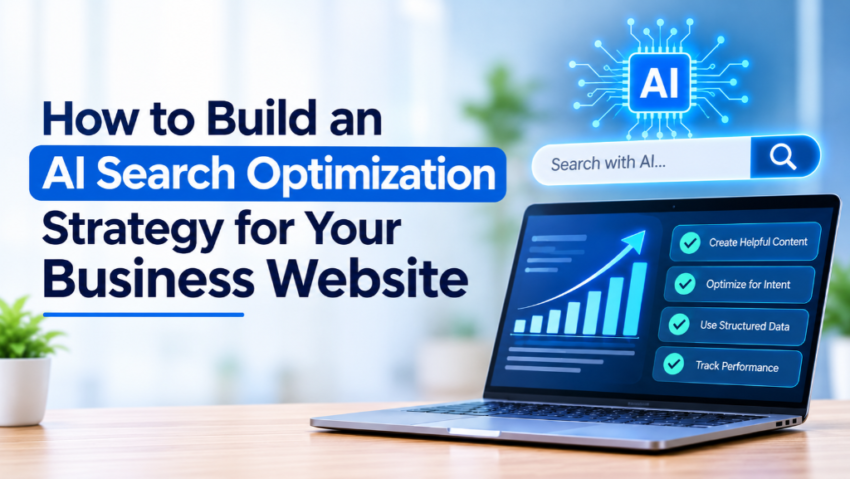
The way customers discover businesses online is going through a major transformation. People are no longer depending only on search engine listings to find information. They are also asking AI-powered platforms such as ChatGPT and Google Gemini for business details, service comparisons and solutions to everyday problems.
For businesses, this creates a new challenge: making their website information easy to discover, understand and trust across different search experiences. AI Search Optimization provides an approach to preparing website content for this changing digital environment.
1. Identify What Your Potential Customers Want to Know
An effective optimization strategy begins with understanding your audience. Think about the questions customers ask before choosing a product, contacting a service provider or making a purchase.
For example, someone looking for a digital marketing agency may want to understand service costs, campaign strategies, expected results and the importance of SEO.
Create a list of these questions and use them to plan your website content. This helps you focus on topics that have genuine value for your audience instead of publishing articles without a clear purpose.
2. Develop Content That Explains Your Expertise
Your website should do more than introduce your business. It should demonstrate your knowledge and explain how your products or services address customer requirements.
Create dedicated service pages, detailed business descriptions, informative articles and useful FAQs. Explain industry concepts in simple language and include practical examples wherever possible.
For instance, a company offering website development can publish content about website planning, mobile-friendly design, security and maintenance. This gives visitors useful information while helping search platforms understand the subjects covered by the business.
3. Adapt Your Keyword Strategy to Natural Language
Search queries are becoming more detailed as users communicate with AI tools in a conversational manner. Businesses should consider this behaviour while planning their keyword strategy.
Along with primary keywords, include specific phrases and questions that reflect customer intent.
Some examples are:
- How do I improve my business website’s visibility?
- Why is SEO important for small businesses?
- How can AI help customers discover local businesses?
- What should a business website include to attract customers?
Use these questions in relevant blog sections, headings and FAQ content. The objective is to provide complete answers rather than repeat keywords unnecessarily.
4. Make Your Website Easy to Navigate
Website organisation is another important part of search optimization. When information is scattered across multiple pages or hidden behind confusing navigation, visitors may struggle to find what they need.
Organise your website into clearly defined sections. Give every service its own descriptive page, use meaningful headings and connect related articles through internal links.
Also, improve page loading speed, mobile compatibility and website security. Relevant schema markup can help search engines interpret specific information about your business and its pages.
5. Strengthen Your Digital Reputation
Your business website should reflect the credibility you want customers to associate with your brand.
Share genuine customer experiences, relevant project details, company achievements and original industry observations. Keep your contact information and business descriptions consistent across your website and other online profiles.
Relevant backlinks from established industry websites can also contribute to your website’s authority. These activities help create a more reliable digital identity and support your broader SEO strategy.
6. Include Local Search Optimization
Businesses serving customers in particular cities should not overlook local SEO. Location-related information helps potential customers understand where services are available.
For businesses in Hubli, adding relevant local references to service pages, business descriptions and informative blogs can strengthen local relevance.
Keep your Google Business Profile updated, provide accurate contact details and encourage satisfied customers to share honest reviews. Make sure your location-based content reads naturally and offers useful information rather than simply repeating city names.
7. Review Performance and Improve Regularly
Search optimization is not something businesses complete once and leave unchanged. Customer expectations, search technology and online competition continue to develop.
Review website traffic, search performance, user engagement and enquiries regularly. Identify pages that need better explanations, update outdated information and create new articles around frequently asked customer questions.
Where data is available, also examine how visitors discover your business through AI-powered platforms. Use these insights to improve your content and future optimization activities.
Conclusion
Building a strong online presence requires businesses to understand not just what customers search for, but also how they prefer to discover information. A combination of informative content, clear website structure, technical improvements and local relevance can help businesses prepare for the changing search landscape.
Eneblur Consulting helps businesses develop a stronger digital foundation through strategic SEO and digital marketing solutions. With the right AI Search Optimization Services in Hubli and SEO Services in Hubli, businesses can improve their online discoverability, communicate their expertise and create more opportunities to connect with potential customers. A thoughtful digital strategy today can support stronger brand visibility and business growth in the years ahead.